


Being named executor can feel like an honor. Someone you love trusted you to carry out their wishes. At first, you may think, “They left a will. I know what they wanted. I can take care of this.”
Then you open the first envelope. A bank needs documents. A bill arrives. Someone asks what will happen to the house. Another family member wants to know when they will receive their inheritance. You are grieving too, and suddenly everyone is looking to you for answers.
That is when many executors ask me: Do I need a probate attorney, or can I handle this myself?
For some estates, handling the process without ongoing legal help may be manageable. For others, one unanswered question can affect the whole family. The decision depends on what the estate involves, how comfortable you are with the responsibilities, and whether you know when to ask for help.
What Does Probate Actually Involve?
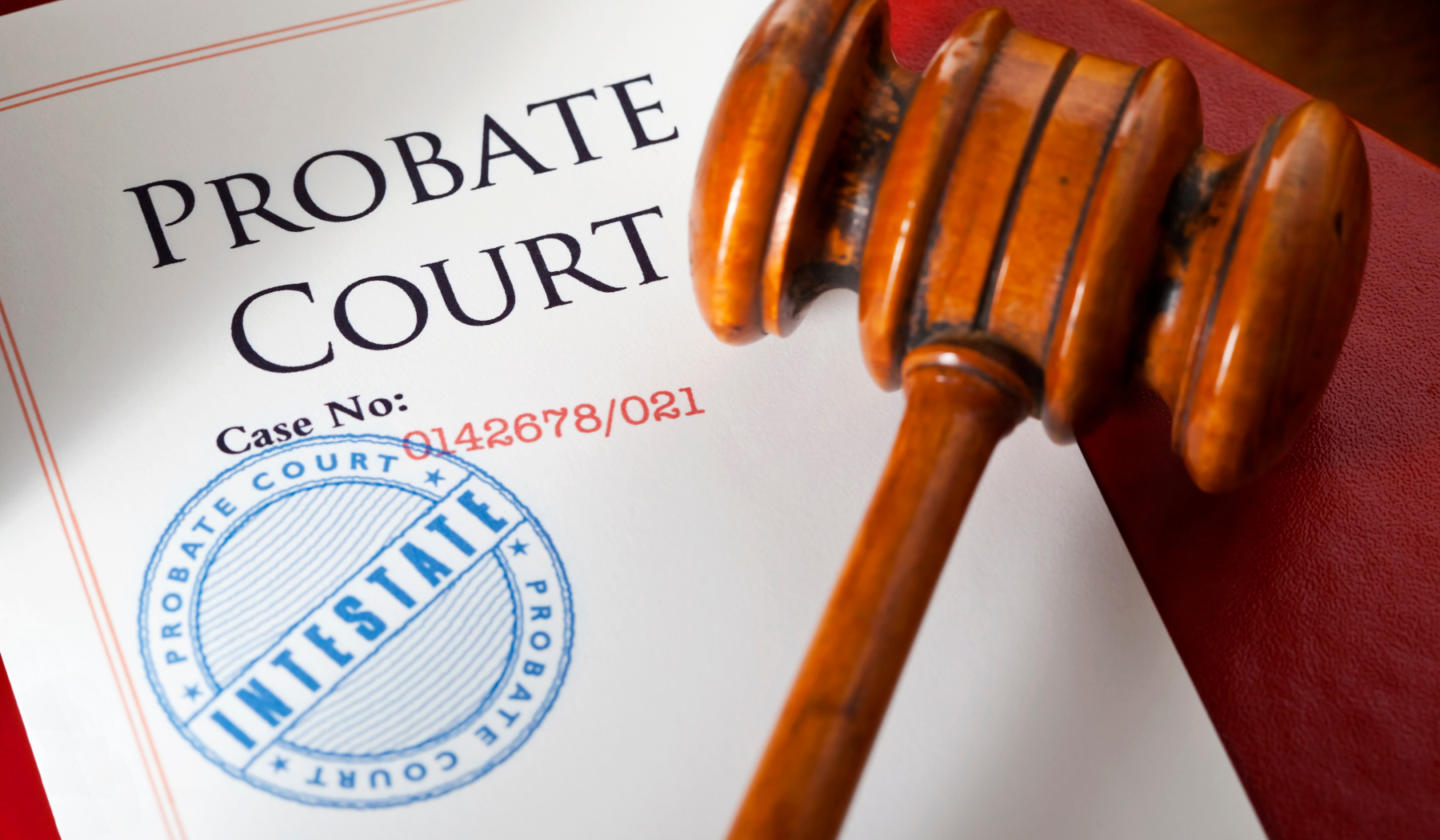
Probate is the legal process for administering assets that must pass through an estate after someone dies. In Pennsylvania, the process generally begins with the county Register of Wills, which handles probate and the appointment of estate representatives. Pennsylvania’s courts provide a directory of county Registers of Wills.
The executor’s work can include locating assets, protecting property, gathering account information, addressing bills and creditor claims, handling tax matters, keeping records, communicating with beneficiaries, and distributing property when it is appropriate to do so.
That is a great deal to take on, especially while mourning someone you love. Probate is about more than filing a will. It is the careful work of settling a person’s financial affairs and carrying out their wishes.
Can You Handle Probate Without a Lawyer?
Sometimes, yes. An executor who is organized and has a straightforward estate may feel comfortable handling much of the work. A clear will, easy-to-identify assets, manageable debts, and family members who agree about what should happen can make the process easier.
But “straightforward” does not mean “effortless.” You may still need to follow procedures, keep accurate records, respond to requests from financial institutions, and decide when the estate is ready to make distributions.
I encourage executors to be honest with themselves about the time and attention this will require. There is no prize for figuring out every step alone. Asking a question early can bring welcome clarity before you make a decision on the estate’s behalf.
First, Find Out What Actually Goes Through Probate
Not everything a person owned necessarily passes through their probate estate. An account with a valid beneficiary designation, property owned jointly with survivorship rights, or an asset properly held in a trust may pass another way.
Imagine finding a folder containing a will, a life insurance policy, a bank statement, and a deed. It would be easy to assume the will controls all four. In reality, you need to look at how each asset is owned and whether a beneficiary has been named.
Sorting that out at the beginning helps the executor understand what they are responsible for administering. It can also prevent confusion when a family member asks why one asset is being handled differently from another.
A Simple Estate Can Become Complicated Quickly
Consider two families whose parents leave behind a home, a few accounts, and a vehicle. In the first family, the children agree that the house should be sold, the accounts are easy to locate, and everyone understands the will.
In the second, one child wants to keep the house. Another remembers being told it would be sold. A third believes money was taken from an account before their parents died. The estates may look similar on paper, but the executors face very different jobs.
Estate value alone does not tell you whether legal guidance would help. Family relationships, unclear documents, creditor claims, and the types of assets involved can change the experience considerably.
When Does Working With a Probate Attorney Make Sense?
I would pay particular attention to disagreements. If beneficiaries question the will, dispute a decision, or cannot agree about property, the executor may find themselves trying to manage a conflict they did not create.
A missing original will, confusing language, questions about changes to a document, or concerns that someone was pressured can also call for legal guidance. The same is true when the estate includes a business, real estate in another state, complicated accounts, or more debts than the estate may be able to pay.
At Bellomo & Associates, we want executors to understand what their role requires before a difficult choice becomes a bigger problem. Getting guidance does not mean you have failed at the job your loved one gave you. It means you are taking that responsibility seriously.
Probate Mistakes Can Go Beyond Paperwork
People often worry about filling out the wrong form. I understand that. Forms can be frustrating. But some of the decisions behind those forms deserve even more care.
For example, an executor may be eager to give beneficiaries their share, particularly if a family member needs the money. What if a valid debt or tax obligation has not yet been addressed? What if property needs to be maintained, insured, or sold before anyone knows what is available to distribute?
An executor is handling property for the estate and its beneficiaries. Keeping good records and understanding your authority before you act can protect both the family and you.
Do Not Forget About Taxes
Families sometimes hear that an estate is too small for federal estate tax and conclude that taxes are off the table. Pennsylvania has an inheritance tax, and an executor may also need to address the deceased person’s final income tax return. If the estate earns income after death, that may raise another filing question. The Pennsylvania Department of Revenue explains the state inheritance tax.
You do not have to know every tax answer the day you are named executor. You do need to recognize when a question belongs on your list and get the right help with it.
Getting Help Does Not Have to Be All or Nothing
Many executors imagine only two choices: do everything themselves or hand over the entire process. Depending on the estate, you may be able to seek guidance on the parts that concern you most.
Perhaps you are comfortable gathering statements and keeping family members informed, but you want help understanding creditor claims. Perhaps most assets are simple, but the house or tax filings raise questions. You can begin by identifying where you feel confident and where you need a clearer path.
So, Can You Handle Probate Yourself?
You may be able to, particularly if the documents are clear, the assets are straightforward, debts are manageable, and the family is working together. But you do not have to make that decision based on the size of the estate or on what someone else says they managed to do.
Take a careful look at what needs to be done and what could happen if a decision is made too soon. The goal is to honor your loved one’s wishes, meet the estate’s obligations, and help the right property reach the right people.
If you have been named executor and want to understand the process, Bellomo & Associates offers a welcoming place to begin learning. Register for a Workshop to learn more about estate planning and the decisions families may face after a loved one dies.